Bending for a shoe, twisting for a seat belt, and lifting a bag all ask the lower back to move. While a lumbar fusion heals, that part of the spine is supposed to stay in the alignment the surgeon created. Many teams limit bending, lifting, and twisting early. How long those limits last is your surgeon’s protocol, not a number this page can assign.
Keeping the fused spine in line
Lumbar spinal fusion joins two or more vertebrae, the bones of the spine, so they heal into one solid bone. The American Academy of Orthopaedic Surgeons (AAOS) says that during healing the fused spine must stay in proper alignment. People are taught how to move, sit, stand, and walk. Those lessons are how “stay aligned” looks in ordinary movement.
The bone is doing slow work. AAOS says it may take several months for the bone to become solid, although comfort often improves sooner. A back that feels looser on a Tuesday can still be a back whose graft has not bridged. The movement limits exist for the bone clock, not for the comfort clock.
Feeling better is allowed. Using that feeling to retire a limit is a different decision, and it is not yours alone.
The shape of the months is in Lumbar Spinal Fusion Recovery Timeline: What to Expect. This page stays on bending, lifting, twisting, and the ordinary movements that bump into those limits. Daily life after the operation, beyond the movement rules, is in Life After Lumbar Spinal Fusion.
Study results belong to the operations and the people in those studies. The clinical evidence page keeps that limit visible. It is not a personal calendar for when you may bend.
Walking comes before other tasks
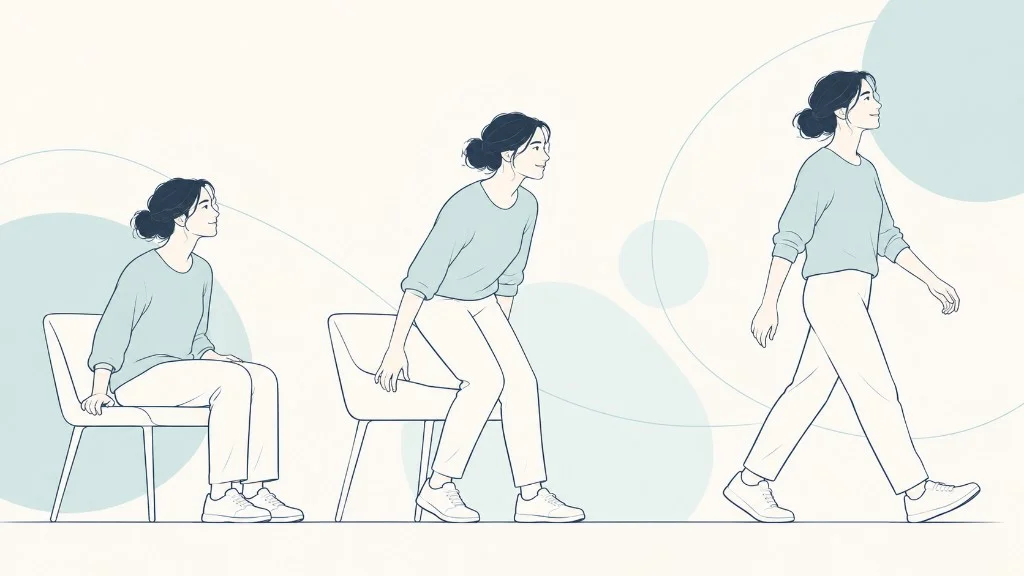
Right after surgery, light activity such as walking is the activity AAOS describes. Walks are short and repeated. You sit, stand, and lie down the way you were shown, which may mean getting out of bed through your side rather than sitting straight up and twisting to reach the floor.
Use the method you were taught. A video made for a sore back that was never fused is a different problem.
On the posterolateral lumbar fusion page, AAOS says pain medicine is usually used for a few days to weeks. That line is general. It varies with the procedure, the number of levels, your health, complications, and the surgeon’s protocol.
It is not a date when bending becomes allowed. Pain that is controlled enough for a hallway walk is not the same fact as a spine that can pick a box off the floor.
AAOS says, on the lumbar stenosis page, that fusion generally adds 2 to 3 days in the hospital compared with decompression alone. Decompression opens space for nerves and does not, by itself, ask bone to bridge a joint. A recovery sheet written for decompression alone is the wrong template for bending limits after fusion.
Fusion adds a bone-healing job. The extra hospital time is one sign the operations are not the same size. It is not a bending calendar either.
Build walking before you build anything else. A lap in the house, then a longer lap, then a short trip outside if the team has allowed it, is the pattern that matches “light activity.” One ambitious walk that leaves you twisted on the couch is not a faster version of the same plan. If a brace was prescribed for walking, wear it for the walks on the schedule you were given.
Movement
What early limits are protecting
While bone starts to fuse, the spine is supposed to stay in the alignment the surgeon created.
Usually encouraged
- Short walks.
- Sitting, standing, and walking as you were taught.
- Asking before a new task is added.
Often limited early
- Bending at the fused part of the back.
- Lifting a load.
- Twisting to reach.
Many teams set these limits. AAOS does not publish one lumbar rule such as no bending for 12 weeks. Your written protocol is the limit.
There is no single week for bending
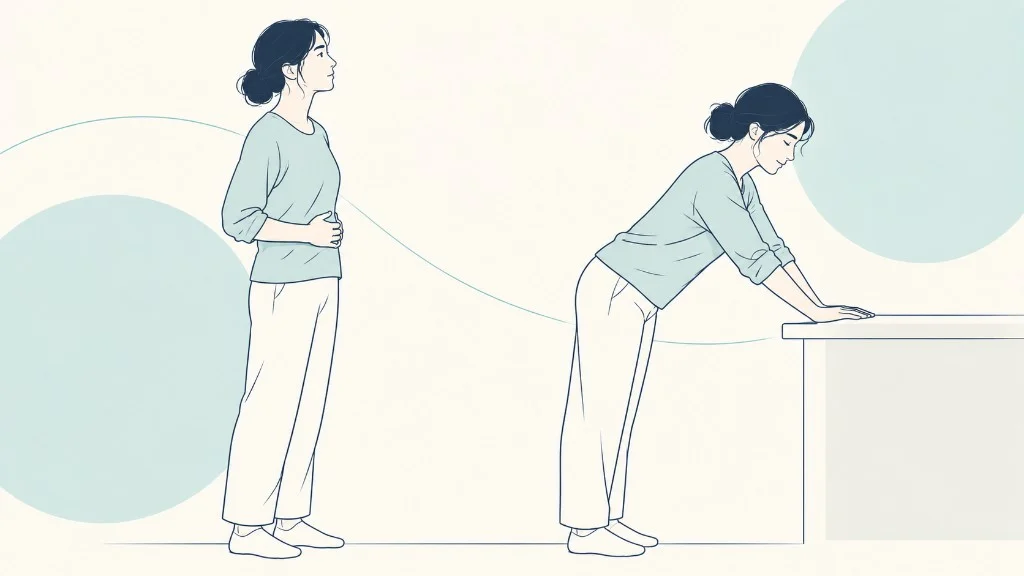
Many teams limit bending, lifting, and twisting in the early period after lumbar fusion. The reason is mechanical. The prepared bone has to stay still enough for new bone to start across the gap.
AAOS does not publish a universal “no bending for 12 weeks” rule on its lumbar fusion pages. If a chart online assigns that date to every lumbar fusion, the chart added a number the source does not give.
The duration is the surgeon’s protocol. It can be longer or shorter than a number you heard from a relative or a forum. It varies with the procedure, how many levels were fused, your health, complications, and the approach.
A one-level fusion and a fusion of several spaces do not automatically share one bending date. This page will not pretend they do. Ask for the limit in words you can obey: which motion, and what replaces it.
Bending, in daily life, is not only toe touches. It is the dishwasher, the sock, the pet dish, and the way you lean into a car. Twisting is the seat belt, the back seat, and turning to speak while your feet stay planted. Lifting is a grocery bag, a laundry basket, a child, or a laptop bag that is heavier than it looks.
You can often move the object by bending at the hips and knees, keeping the fused area quiet, if that is what you were taught. You cannot invent the substitute and also invent the week it becomes unnecessary.
There is no pound limit on these pages. Do not fill one in from a different operation or a different hospital’s handout. When your team is ready to name a limit, it should be a number or a concrete task: a gallon jug, no lifting a grocery bag, or a stationary bike.
“Take it easy” feels kind and leaves you guessing with a healing bone. Specific permission is the limit. Until you have it, the safe reading is that bending, lifting, and twisting stay restricted.
Braces, driving, and work
A brace is a support worn on the trunk. AAOS says a brace may be used after spinal fusion. The posterolateral page says a brace may be provided to help the fusion heal, which is a way of protecting the join while bone forms.
AAOS compares fusion to a weld that has to hold. The brace, when it is used, is one tool for that protection. It is not a requirement printed for every patient.
If a brace is on your plan, ask when it is worn: walking only, out of bed, or also at night. Ask who sets the skin checks, and what to do if it rubs a wound. Ask the date or the finding that lets it come off. “When you feel ready” is not a finding.
If no brace was prescribed, leave it unprescribed. Extra equipment can change your gait without doing the job your surgeon assigned to the written limits.
Driving waits on pain control, strength, and the team. You need to sit, check a blind spot within your allowed motion, and move your foot to the pedal. Some people are also on medicine that affects attention. This page will not assign a week, because AAOS does not assign one for lumbar fusion.
Ask before the first drive, including short drives, not after you have already done it. The passenger seat is the place for errands until that answer is yes.
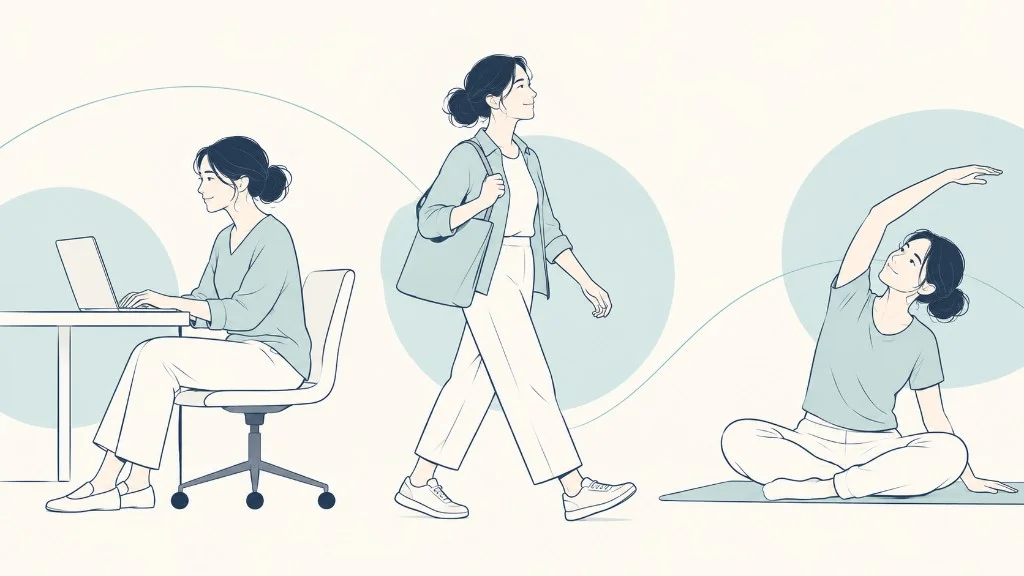
Return to work follows the same trio: pain control, strength, and the team. A desk is a different demand from a warehouse, a clinic floor, or a job that lifts children. Describe the heaviest lift, the longest sit, and whether the job twists you toward a screen or a patient.
The surgeon can answer a fact. A form that says “full duty” or “no work” without those facts is a form, not a plan. Stage the return in writing when the team is ready to stage it.
| Activity | What is stated | What this page will not assign |
|---|---|---|
| Right after surgery | Light activity such as walking. You are taught how to move, sit, stand, and walk. | A step count, a distance, or a week when walks may become bends. |
| Bending, lifting, twisting | Many teams limit these early. Moving too soon may lead to a failed bone bridge. | A universal number of weeks, or a pound limit. |
| Brace | A brace may be used or provided to protect healing. | A rule that every person wears one. |
| Driving and work | They depend on pain control, strength, and the team. | A calendar date that ignores your operation. |
| Formal therapy | Typically 6 weeks to 3 months if the surgeon recommends it. | A start date that cancels bending limits. |
What moving too soon can do to the bone
Pseudarthrosis means the bone does not become solid. There is not enough bone to create a solid fusion. AAOS says moving too soon, before bone starts to fuse, may lead to it. Smoking, diabetes, and older age make that outcome more likely as well.
A second surgery may be needed if the level never bridges. Those facts are why the early limits exist. They are not a prediction that your level will fail, and they are not a rate.
Hardware can still be sitting in the bone while this happens. Screws and rods hold the spine. They do not replace the bridge. A level that never unites can leave the implants carrying load they were not meant to carry forever.
Lumbar Spinal Fusion Failure: Signs and What Happens Next separates pain, a film, and a nonunion. Bending through a limit to prove you are fine is one way people stumble into that separation. The limit was the protection.
The months of restriction are general in length only in the sense AAOS gives: bone may take several months, and therapy, when it is used, often starts between 6 weeks and 3 months. Both ranges vary with procedure, levels, health, complications, and protocol. Neither range is a date when bending is automatically allowed.
Limits written for a different operation do not transfer to lumbar fusion. The duration that applies to you is the one written for your levels, your health, and your procedure. A handout from another surgery is not a loophole and not a target. If your paper is stricter than your mood, the paper wins.
Ordinary movements, done the way you were shown
Practice the transfers. Chair to standing, with your feet under you and your fused back quiet, is a skill. Toilet height matters if a low seat forces a deep bend. A raised seat is a house fix, not a confession.
Shoes you can slip on, clothes that do not require a twist to fasten, and dishes kept at counter height remove bending from the day. None of that requires a pound number from this page.
Ask about the tasks people skip in the office and then invent rules for. Sleeping position follows comfort and the brace rules, not a single pose from the internet. Intimacy waits until the incision can tolerate it and you are not breaking the bending limit. A car ride may need stops so you are not locked in one posture.
None of these has a universal week. All of them have an answer from the team that did the operation.
Physical therapy, when your surgeon recommends it, typically starts in that 6-week to 3-month window. Bring the bending, lifting, and twisting limits to the first visit in writing. The therapist’s job is to help you walk, change position, and return toward your tasks inside those limits. It is not to erase the limits because a session went well.
If an exercise asks the fused area to round or twist, stop and ask whether your protocol allows it. A good session leaves the limit intact until the surgeon changes it.
When the team does change a limit, ask for the next step in a unit you can follow. A new walk distance, a named household task, or a clear “still no lifting the laundry basket” is usable. “You’re doing great” is kind and incomplete. Leave the visit with either the same limit or a new one.
The AAOS facts underneath stay simple. Keep the spine aligned while bone forms. Walk early. Treat bending, lifting, and twisting as limited until your protocol says otherwise.
Expect the bone to take months. Expect the exact weeks to be yours, not a number copied from a page that never met your levels.
Frequently asked questions
Is there a rule of no bending for 12 weeks?
Not on the AAOS lumbar fusion pages. Many surgical teams limit bending, lifting, and twisting while bone starts to heal, and the length of that limit is the surgeon's protocol. It varies with the procedure, the number of levels, your health, complications, and the instructions you were given. A number repeated online, including 12 weeks, is not a figure these pages publish for lumbar fusion. Ask which movements are limited, which ones are allowed if you do them the way you were shown, and what has to be true before a limit changes.
How many pounds am I allowed to lift?
These AAOS pages do not give a pound limit, and this article will not invent one. Lifting is one of the movements many teams restrict early because load and bending can work the healing level before bone has started to bridge. Moving too soon may contribute to pseudarthrosis. What you may lift, and when, is a line your surgeon can write for your operation and your job. Bring a one-line description of the heaviest thing you actually lift at home or at work.
Does everyone wear a brace?
No. AAOS says a brace may be used after fusion, and the posterolateral page says a brace may be provided to help the fusion heal. Both sentences are permissions for the team, not a rule that every person is fitted. If you were given a brace, wear it on the schedule you were given and ask when it comes off. If you were not given one, do not buy one to feel safer. An unprescribed brace can change how you walk without matching the protection your surgeon planned. The written movement limits are the protection that applies either way.
When can I drive or go back to work?
Driving and return to work depend on pain control, strength, and the surgical team. AAOS does not publish a week when people may drive after lumbar fusion, and it does not assign a personal work date on the fusion pages. Fusion is not the same recovery as decompression alone. Ask what has to be true before you drive: comfort sitting, the ability to move your foot as the car requires, and whether any medicine you are taking changes that plan. Ask the same way about work, with the real tasks named.
When does physical therapy start, and does it cancel the limits?
AAOS says therapy typically starts 6 weeks to 3 months after fusion if the surgeon recommends it. That window varies with the procedure, how many levels were fused, your health, complications, and the protocol. Therapy is not a signal that bending, lifting, and twisting limits have ended. The therapist needs those limits in writing. The early goal is walking, changing position safely, and a gradual return to your tasks. A class that asks you to round the fused part of the back because a generic back program does is the wrong class until your team changes the limit.
Key takeaways
- During healing the fused spine must stay aligned. Early activity is generally walking, and you are taught how to sit, stand, and move.
- Many teams limit bending, lifting, and twisting early. AAOS does not publish one lumbar week count or a pound limit. The protocol does.
- Moving too soon, before bone starts to fuse, may lead to pseudarthrosis. A brace may be used, and not everyone is braced.
- Driving and work depend on pain control, strength, and the team. Therapy often falls between 6 weeks and 3 months if it is recommended, and that window still varies.
References
- Spinal Fusion. OrthoInfo, American Academy of Orthopaedic Surgeons.
- Posterolateral Lumbar Fusion. OrthoInfo, American Academy of Orthopaedic Surgeons.
- Lumbar Spinal Stenosis. OrthoInfo, American Academy of Orthopaedic Surgeons.
Review the clinical evidence
See what the FDA reviewed for the TOPS System, which patients were studied, how success was defined, and where the evidence has limits.