Life after lumbar fusion is two stories at once. One is daily life: the walk, the chair, the return to a desk or a kitchen. The other is bone, which may take months to become solid and cannot be judged reliably by how you feel on a good afternoon. Some limits last only while bone forms, and lost motion at the fused spaces stays if the bone heals.
What changes, and what usually stays
Lumbar spinal fusion joins two or more vertebrae, the bones of the spine, so they heal into one solid bone. The American Academy of Orthopaedic Surgeons (AAOS) describes the aim as stopping painful motion or restoring stability. After surgery, the incision, the medicine schedule, and the walking habit are the visible changes. The invisible one is bone growing across the prepared spaces.
Some parts of life often loosen as the weeks pass. Wound soreness fades. Walks get longer. Sleep gets less interrupted.
AAOS says comfort often improves before the bone is solid, so a better week is a real change and still an unfinished fusion. Treat the better week as progress inside the limits you were given.
Other parts do not expire when you feel better. The fused segments are supposed to stop moving once the bone bridges. Screws and rods, if they were used, usually remain.
Neighboring levels can carry load the fused spaces no longer share. None of that is a promise that pain is gone for good. None of it is a permanent ban on ordinary life.
If you are still deciding whether joining a level is the operation, the comparison of fusion and motion-preserving surgery is about that choice. This page assumes a fusion was done and asks what daily life looks like afterward. The month-by-month shape of healing is in Lumbar Spinal Fusion Recovery Timeline: What to Expect.
The months the bone needs
AAOS says it may take several months for the bone to become solid. That sentence is general. It varies with the procedure, the number of levels, your health, complications, and the surgeon’s protocol, meaning the written instructions for your operation. A one-level fusion and a fusion of several spaces are both measured in months, and more spaces mean more places that must heal.
Comfort moving first is normal in the AAOS description. It is also easy to misread. Muscle ache from the approach and pain at the incision show up early and can settle while the graft is still being asked to grow.
A walk that is a little easier than last week fits that pattern. A decision that the lifting limit has expired because you slept well does not.
Smoking raises the chance of pseudarthrosis, the name for a fusion in which the bone does not become solid. AAOS also lists diabetes and older age as factors that make a solid bridge less likely. Moving too soon, before bone starts to fuse, may lead to the same problem.
A second surgery is sometimes needed if the bridge never forms. Those are risks to know. They are not a personal percentage, and they are not a calendar of failure.
Stopping smoking is one of the few factors in that list you can still change after the operation. The request is practical. Bone is trying to bridge, and smoking works against that bridge.
If you stopped before surgery, the months afterward are part of the same plan. Blood sugar, if you have diabetes, belongs in the same conversation with the team that is watching the fusion.
After surgery
Changes that ease, and changes that stay
Some limits belong to the months while bone becomes solid. Loss of motion at the fused spaces is part of a fusion that heals.
Often eases with time
- Comfort may improve before bone is solid.
- Walking is built up from short trips.
- Formal therapy, if used, often starts later.
Part of a healed fusion
- The fused spaces no longer move.
- Screws and rods usually stay in place.
- Nearby levels can carry extra load.
Feeling better does not prove the bone has finished. A solid fusion on a scan does not guarantee that pain is gone.
Walking, work, and a calendar that is not yours
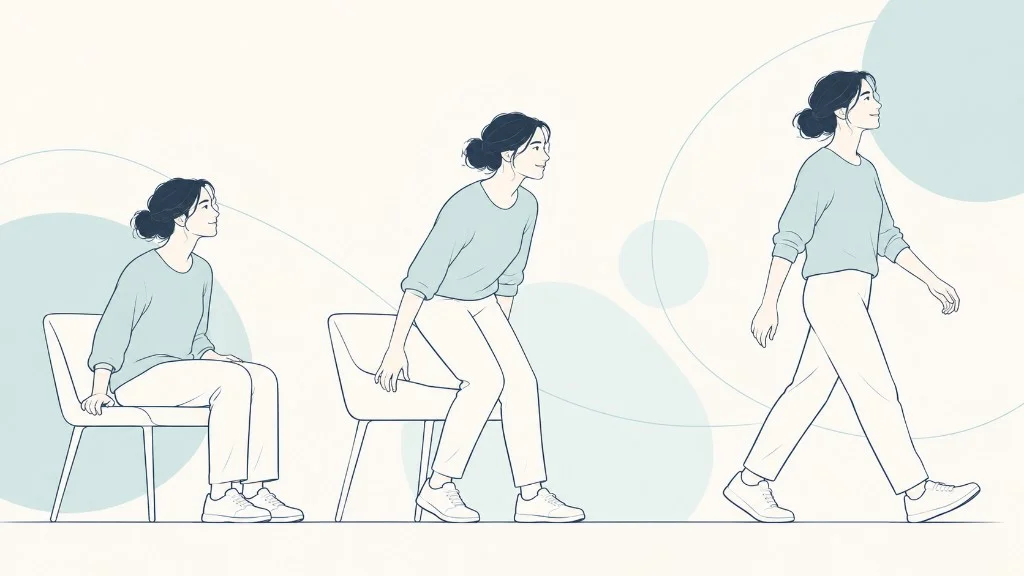
Early activity is often walking only. AAOS says people are taught how to move, sit, stand, and walk so the spine stays in the alignment the operation created. Short walks, repeated, are the activity that matches that instruction. A single long outing that you pay for at night is a harder way to learn the same skill.
Physical therapy, guided exercise with a therapist, typically starts 6 weeks to 3 months after fusion if the surgeon recommends it. AAOS presents that window as typical, not as a personal start date. It moves with the procedure, the number of levels, your health, complications, and the protocol.
Starting because a decompression timeline said so can ignore fusion precautions. Waiting past the window is not automatically a problem if you are walking and following the written limits.
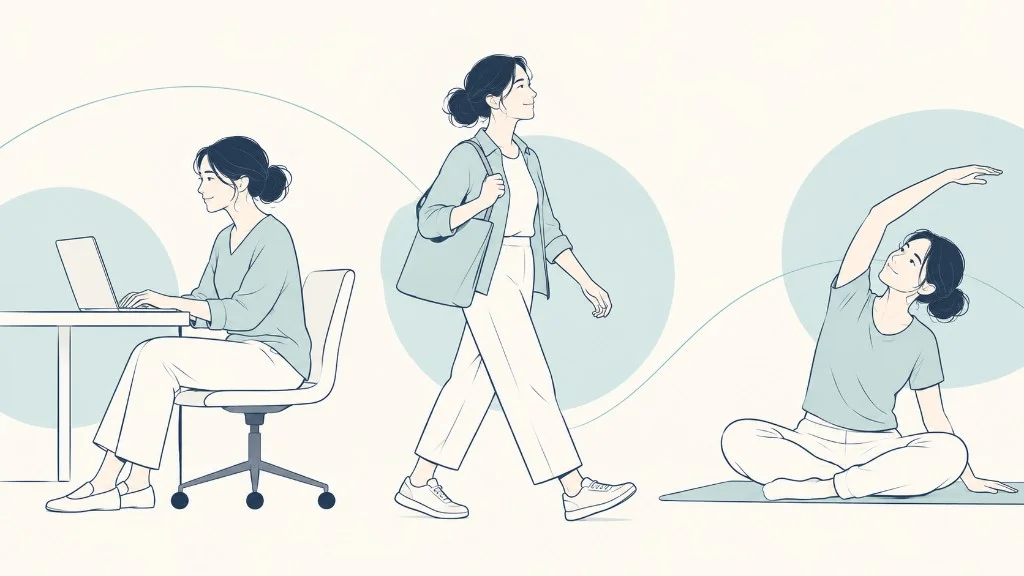
Work is where people borrow the wrong page. On its lumbar stenosis page, AAOS says most people return to a desk job in a few days to a few weeks and may return to normal activities after 2 to 3 months. That paragraph is about stenosis surgery in general. Fusion is not the same recovery as decompression alone.
The same page says fusion generally adds 2 to 3 days to the hospital stay compared with decompression alone. That added time is one clue the operations are different sizes. It is not a personal return-to-work date.
Use the desk line as a ceiling on what a general stenosis paragraph is willing to say, not as your return date. A sit-down job often comes back before a job that lifts, twists, or stands on concrete all day. The person who can clear you is the surgeon who knows the levels, the approach, and how your pain and strength are actually behaving. “Back to normal” on a society page is not a lifting clearance.
Pain medicines on the posterolateral fusion page are described as usually needed for a few days to weeks. That, too, is general, and it varies with the same list: procedure, levels, health, complications, and protocol. A brace may be provided to help the fusion heal. Not everyone is braced.
If you were given one, wear it on the schedule you were given. If you were not, buying one for reassurance is a different plan from the one your team chose.
Screws that stay, and motion that is local
Posterolateral fusion places bone graft over the transverse processes, the bony side projections at the back of the vertebrae, and uses titanium screws and rods for immediate stability until the fusion is solid. AAOS says those screws typically are not removed after the graft heals. Hardware is a hold. The fusion is the bone.
Leaving the metal in place after healing is the usual posterolateral course, not a sign that something was forgotten. Ask whether your operation matches that description before you expect the screws to come out.
Flexibility is reduced at the fused segments, not usually through the whole spine. AAOS says fusion removes motion at the fused segments and some flexibility, and that most fusions involve small segments and do not significantly limit overall motion. The surgeon discusses the specific case.
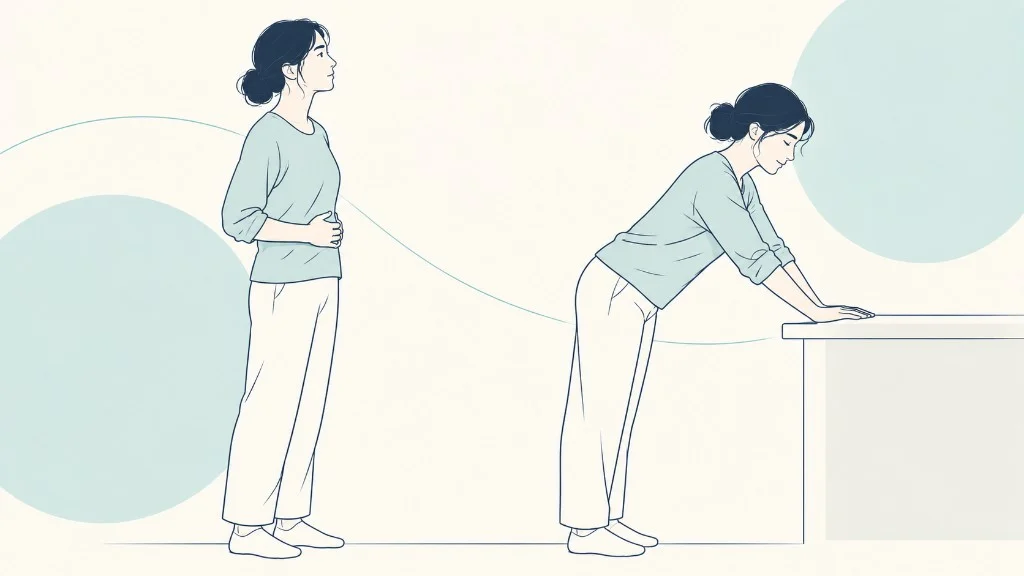
Reaching a low shelf may mean bending at the hips and knees rather than rounding the fused part of the back. That habit matters most while bone is forming. The lost motion at a healed level remains after the limits lift.
A fused level can shift load to the levels next door. Adjacent segment degeneration means wear seen on a scan at the next level. Adjacent segment disease means new symptoms explained by that level. They are not the same finding.
Adjacent Segment Disease After Lumbar Fusion: Causes and Risks explains the difference, including why a worn scan is not automatically a second fusion. This page will not restate that article.
How long a fusion “lasts” is a separate question from this first year: solid bone, hardware left in place, symptom relief, and the neighboring level are different clocks. How Long Does Lumbar Spinal Fusion Last? keeps those clocks apart. A good month at home does not answer the five-year version of the question.
When symptoms come back
Many people return to daily tasks. Some have symptoms that come back. AAOS says recurring symptoms have various causes and should be reported.
The cause might be the original problem, a bridge that did not solidify, a neighboring level, the hip, or something else the first operation was never aimed at. Time since surgery is a clue. It is not a diagnosis you can make from the scar.
Report the story in plain details. When did it start? Is it the old leg pain, a new one, or ache at the incision? Does walking bring it on, or sitting?
Did you recently drop the movement limits because you felt well? Those answers give the team something to sort. “My back hurts again” is true and still too small to act on.
A healed-looking fusion and ongoing pain can sit side by side. AAOS is clear that bone takes months and that comfort often improves sooner, which means the two results are allowed to disagree in either direction. Ask, at the visit where films are checked, what the film is being asked to show.
“The hardware is in place” is a comment about metal. “The bone has bridged” is a comment about fusion. “Your pain is acceptable to you” is a third comment. Collect all three.
| Topic | What AAOS states | What still varies |
|---|---|---|
| Solid bone | May take several months | Procedure, levels, health, complications, and the protocol |
| Comfort | Often improves before bone is solid | Symptoms can also return and have various causes |
| Therapy | Often starts at 6 weeks to 3 months if recommended | Your surgeon may start earlier or later |
| Desk work and usual activity | A general stenosis-surgery range: days to weeks for a desk, and 2 to 3 months for usual activity | Fusion is not decompression alone, and your written limits govern |
| Hardware | Posterolateral screws and rods typically stay after the graft heals | Removal is not the usual plan on that page |
Medicines, and signs that should not wait
Pain control is part of early life at home, and it is not a project to redesign from a blog. AAOS says a doctor may use acetaminophen and NSAIDs, nonsteroidal anti-inflammatory drugs, sometimes to reduce the need for opioid medicine. Opioids, if they are prescribed, are to be used only as directed, in as small a dose as possible, for as short a time as possible.
Whether an NSAID is in your plan is the surgical team’s decision. Any effect of these drugs on bone healing is not settled as a single rule on the AAOS fusion page.
The posterolateral page’s “few days to weeks” for pain medicine is a general description of that operation. It does not tell you to stop, start, or swap a drug on a chosen morning. If pain is changing in a way the plan did not prepare you for, call.
Constipation from pain medicine is common enough to mention to the team, along with the bowel plan you were given. It is a medicine problem, not a sign the fusion shifted.
Some symptoms should not wait for the next routine visit. AAOS describes clot signs that include swelling, redness, or pain in the calf. Swelling can also show in the ankle or foot, with tenderness. Sudden chest pain and shortness of breath or coughing is an emergency.
Call emergency services if you cannot reach the doctor. AAOS describes infection as rare. Signs include redness, tenderness, or swelling at the wound, drainage that continues, pain, shaking chills, or a temperature usually above 101°F by mouth. Contact the doctor or go to an emergency room.
After a posterolateral fusion, AAOS says new weakness that makes the legs buckle should be reported to the surgeon right away. That instruction is for after you go home, not for stiffness you already expected at the fused level. Ordinary soreness after a planned walk, which settles, is a different category from a leg that gives way.
Life after fusion is allowed to include good weeks, slow bone, and a back that bends less at the operated spaces. It is not a promise of a pain-free life. It is not a permanent restriction on everything you used to do.
The written protocol covers the months when bone is deciding whether to bridge. The surgeon’s explanation covers how much motion those spaces will give up if the bridge forms. Report what returns. Keep the limits until someone who knows your levels changes them in words you can follow.
Frequently asked questions
Do the screws come out once I feel better?
Feeling better is not the signal to remove screws. On the posterolateral fusion page, AAOS says titanium screws and rods are typically not removed after the graft heals. They held the spine while bone formed. If the bone becomes solid, that bone is the fusion, and the metal usually stays. Early comfort does not prove the bridge is finished. A solid bridge does not, by itself, call for another operation just to take hardware out. Ask whether your operation is the kind that page describes before you assume removal is the ending.
Is the desk-job line my return-to-work date?
The lumbar stenosis page says most people return to a desk job in a few days to a few weeks and may return to normal activities after 2 to 3 months. That is a general statement about stenosis surgery, not a personal fusion calendar. Fusion is not the same recovery as decompression alone. The same page says fusion generally adds 2 to 3 days in the hospital compared with decompression alone. Your procedure, levels, health, complications, and the surgeon's protocol can move any date. A desk line from that page is not permission to ignore the limits you were given.
Who decides if I can take an anti-inflammatory?
The surgical team decides. AAOS lists acetaminophen and NSAIDs, anti-inflammatory pain medicines, among options a doctor may use after surgery, sometimes so opioid doses can stay lower. Opioids, when used, are only as directed, in as small an amount as possible, for as short a time as possible. Any effect of NSAIDs on bone healing is not settled as one rule on the AAOS fusion page. This page will not tell you to start a medicine or to drop one on a date. Ask which pain medicines are already in the plan written for you.
If the bone looks healed, why can pain remain?
A healed fusion means bone bridged the prepared space. Pain relief is a different result. AAOS says comfort often improves before the bone is solid, which already separates the two clocks. The other direction happens too. A film can look bridged while back or leg symptoms remain or return. AAOS says recurring symptoms have various causes and should be reported. Note when they started, what makes them worse, and whether they match the old pain. The team sorts causes. The film cannot do that alone.
Is stiffness at the fused level the same as a new problem nearby?
Stiffness at a fused space is the loss of motion at that space, which is part of a fusion that heals. AAOS says most fusions involve small segments and do not significantly limit overall motion. A longer fusion removes motion at more spaces, which the surgeon should explain for your case. Wear on a scan at the next level is not the same as new symptoms explained by that level. The adjacent-segment article on this site separates those findings. New leg symptoms or a walking limit that returns should be reported, rather than filed as ordinary stiffness.
Key takeaways
- Bone may take several months to become solid. Comfort often improves sooner, and feeling better does not prove healing is finished or that pain will stay away.
- Motion drops at the fused segments. AAOS says most fusions do not significantly limit overall motion. Posterolateral screws and rods typically stay after the graft heals.
- Desk-work and usual-activity lines on the stenosis page are general for stenosis surgery. Fusion recovery is different, and the surgeon's protocol still governs.
- Symptoms can return for more than one reason and should be reported. Smoking raises the chance the bone will not solidify. Calf, chest, wound, and new buckling symptoms need prompt contact.
References
- Spinal Fusion. OrthoInfo, American Academy of Orthopaedic Surgeons.
- Posterolateral Lumbar Fusion. OrthoInfo, American Academy of Orthopaedic Surgeons.
- Lumbar Spinal Stenosis. OrthoInfo, American Academy of Orthopaedic Surgeons.
Compare fusion and TOPS
A side-by-side look at what fusion and a motion-preserving implant are each designed to do after decompression, and what neither can promise.