People want the week they can run, lift, or sit a full shift. The pages that describe laminectomy recovery do not provide that week. They describe an order.
You walk. You go home. You add distance.
Light work shows up before a strenuous sport. A job that is not light takes longer, and fusion stretches the whole order.
What the operation removes is explained in What Is a Laminectomy?. The shape of recovery as stages, without a sport calendar, is in Laminectomy Recovery Timeline Week by Week. This article is only the return to exercise and to work, and it uses MedlinePlus as the anchor for every time range below. If your discharge paper names a different limit, the paper wins.
A progression, not a clearance date
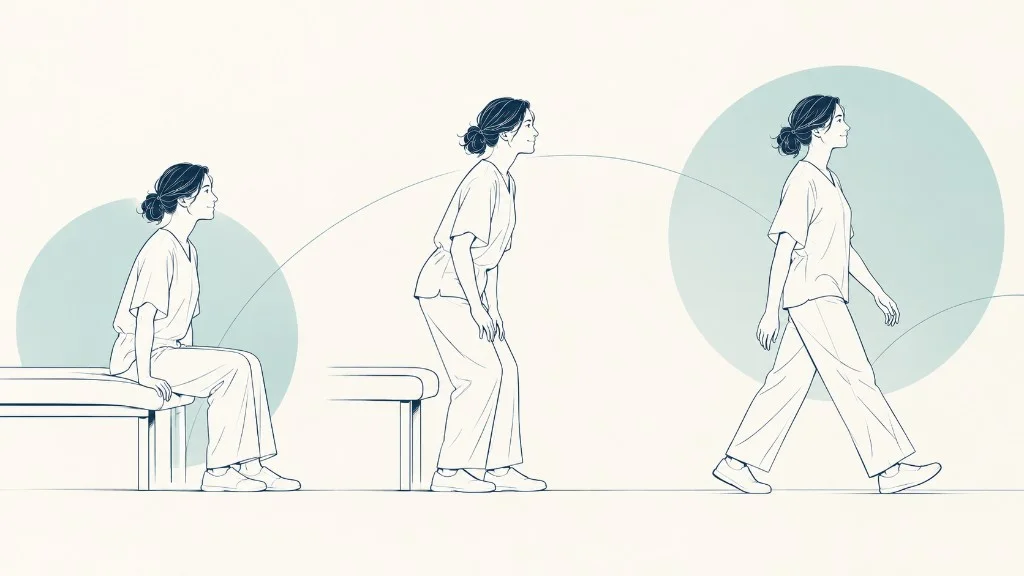
Early activity is getting up and walking. The next step is short walks, repeated, rather than one long outing. Distance comes after that, still inside the limits you were given on bending and lifting.
Light work is a later step, and it is not the same as the job you had if that job is physical. Strengthening, when a therapist gives it to you, supports those tasks. Swimming, running, golf, and other hard efforts are later still, and only after the surgeon has seen you.
Health, the number of levels, whether another procedure was added, and how limited you were before surgery all move the steps. MedlinePlus discharge instructions say the length of recovery also depends on how bad the condition was before the operation. Two people with the same procedure name can be at different steps in the same week.
Progression
Return is an order of activities, not a date
Walking comes first. Harder exercise and a full job come later, and only as your own instructions allow. No box below is a week number.
- Walk once you are cleared to be up. If fusion was not added, MedlinePlus encourages walking as soon as anesthesia wears off. Short and frequent beats one long effort.
- Keep the early walks short, then add distance. Discharge instructions describe short walks for the first two weeks, then a gradual increase. Stairs, if they hurt, stay limited early.
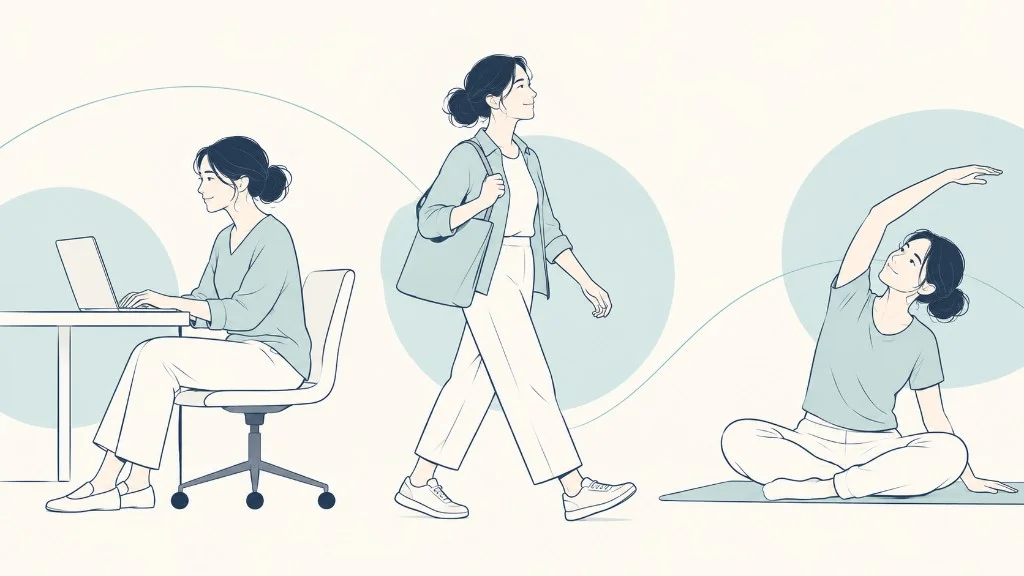
- Light work is its own step. Around four weeks is the laminectomy-page anchor, especially without fusion. A desk and a warehouse floor are not the same step.
- Harder exercise waits for a visit. Running, swimming, golf, and other strenuous activity are not started until you see the surgeon. There is no sport week in these pages.
- Your actual job is a decision. The surgeon and a physical therapist help decide whether, and when, you can return to the job you had. Fusion makes that decision longer.
If your written instructions name a week, follow those. This picture only shows the order.
The anchors the laminectomy page does give
The MedlinePlus laminectomy page is specific about a few points, and quiet about the rest. If you did not also have a fusion, the team encourages you to get up and walk as soon as the anesthesia wears off. Most people go home the same day or one to two days later.
You should be able to drive within a week or two. Light work is described at about four weeks, especially if fusion was not performed.
Those sentences assume an uncomplicated course and, for the work line, work that is actually light. They are not appointments. The page also says future spine problems can still happen.
A smooth early walk does not close that possibility. Life over a longer stretch is the subject of Life After Laminectomy.
The same page separates fusion. Walking as soon as the anesthesia wears off is written for the person who did not also have fusion, and so is light work at about four weeks. The discharge sheet says recovery after laminectomy and fusion is longer, and that you will not get back to activities as quickly.
It says bone takes at least three to four months to heal well, and that healing may continue for at least a year. Comfort on a walk can return while that bone is still healing. The walk is not proof the bone is done.
Walking first, sport later
The discharge instructions put walking on a short leash at the start. Take only short walks for the first two weeks. After that, increase how far you walk, slowly.
Stairs are allowed once a day for the first one or two weeks if they do not cause much pain. Sitting is limited too: try not to sit longer than 20 or 30 minutes at a time. Sleep in any position that does not cause back pain. These are home rules for the early phase, not a training plan.
What they rule out is a jump to strenuous exercise. Do not start swimming, golf, running, or other strenuous activities until you see your surgeon. Vacuuming and other hard housework sit in the same warning.
There is no line that says those activities open at a numbered week. A chart that clears running at a fixed week is adding a date these pages do not contain. The action they do contain is a visit: the surgeon looks at you, and then the sport question can be answered for your operation.
Lifting is restricted in the same sheet. Do not bend at the waist. Squat by bending the knees if you need to pick something up.
Do not lift or carry more than about 10 pounds, roughly a gallon of milk. That rules out a laundry basket, grocery bags, and small children. Avoid lifting overhead until a fusion heals.
The overhead line is written for fusion. The 10-pound line sits in instructions that cover laminectomy, fusion, and other spine operations on one page. If you had decompression alone, ask which of those limits your surgeon still wants. Do not promote yourself to heavier loads because a neighbor with a different operation was told something else.
A brace, if you were given one, is worn for sitting and walking as instructed. It is a support. It is not the start of exercise.
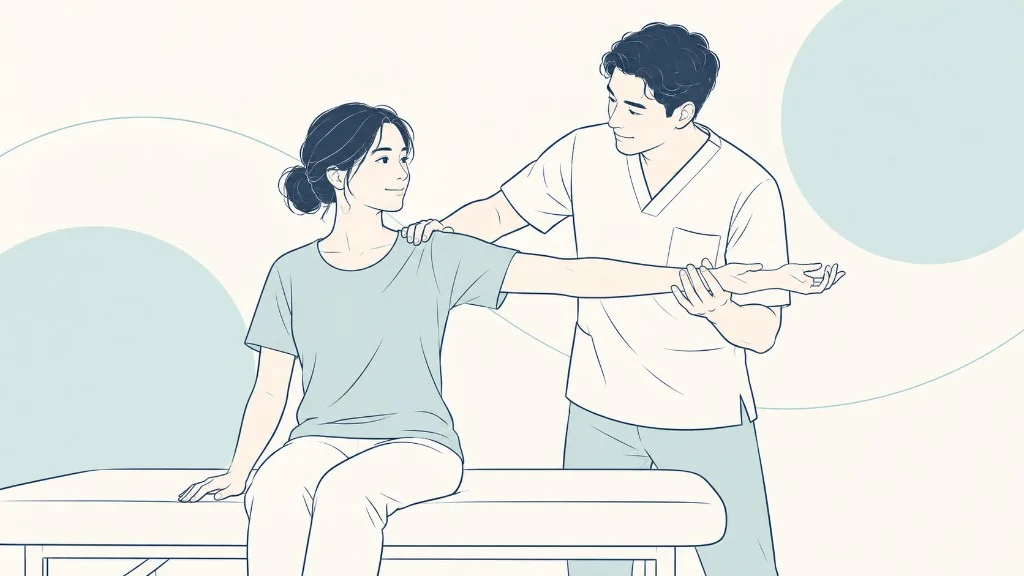
Physical therapy, when it is prescribed, is how strengthening enters without becoming a sport. The discharge page says a therapist may teach you to get out of bed or up from a chair, to dress, to lift and carry safely, and to strengthen back and abdominal muscles so the back stays supported. MedlinePlus also lists the questions to ask beforehand: whether you need a program, how long it lasts, which exercises are included, and whether you can do any of them on your own.
Those are the right questions. An article that listed sets and reps would be inventing a program your surgeon has not seen.
| Activity | What the pages say | What they do not set |
|---|---|---|
| Walking | If fusion was not added, walk once anesthesia wears off. Discharge instructions: short walks for two weeks, then a gradual increase in distance. | A target mileage, or a date when a long hike is reasonable. |
| Driving | The laminectomy page says within a week or two. The discharge page says not for the first two weeks, then short trips only if the surgeon agrees. | A single day that fits every operation and every medicine list. |
| Light work | Around four weeks, especially if fusion was not performed. | Clearance for a physical job, overtime, or lifting beyond the limit you were given. |
| Running, swimming, golf | Do not start these, or other strenuous activity, until you see your surgeon. | Any numbered week. Feeling better on walks is not that visit. |
| Your previous job | The surgeon and physical therapist help decide whether and when. With fusion, time off can be about four to six weeks in a young, healthy person with a non-strenuous job, or up to four to six months if you are older and the surgery was more extensive. | A return date based on the procedure name alone. |
Work depends on the work
Light work around four weeks is the sentence people underline, and it is easy to over-read. The laminectomy page attaches it especially to operations that did not include fusion. A job at a bench or a desk, with a chance to stand up before 20 or 30 minutes, is closer to that sentence than a job that lifts, climbs, or drives a long route.
Commuting counts. The discharge page says not to drive for the first two weeks, then short trips only with the surgeon’s agreement, and it asks passengers on a long ride home to stop every 30 to 45 minutes. A “light” job that starts with an hour behind the wheel is not light yet.
Fusion has its own work lines on the discharge sheet. If you had a fusion, you will probably be off work for four to six weeks if you are young and healthy and the job is not very strenuous. It may take up to four to six months for older people with more extensive surgery to get back to work.
Those are ranges, not a guarantee for any one age. Borrowing the four-week line from a decompression alone uses the wrong page.
The person who helps apply this to your job is named. Your surgeon and your physical therapist can help you decide whether or when you can return to the job you had. Bring a one-line description of the job: hours of sitting, heaviest lift, whether you drive, whether you can change position.
“I do office work” and “I do office work and unload a truck on Fridays” are different returns. Ask which duties can come back first. A partial return is a real return.
Before surgery, the matching questions are already written down in patient instructions. MedlinePlus suggests asking how the operation will affect work and routine activities, how long you will be off, and when you can resume activities on your own. It also suggests asking whether you should stop anti-inflammatory medicines, and for how long.
That last answer has to come from the surgical team. Do not restart a medicine on your own because a walk felt good, and do not stop one that another doctor still wants you to take, without asking.
Smoking sits next to healing on both pages. The laminectomy page says smoking can slow healing and raise the risk of blood clots. The discharge sheet says not to use tobacco after spine surgery, and that this matters even more after a fusion or a bone graft, because tobacco slows healing. A plan that adds running while you are still smoking ignores a limit these pages do state.
Adding activity without inventing a week
In the first two weeks, keep the walks short and stop while the effort is still controlled. After that, add distance in small pieces. A longer walk that leaves pain you cannot settle is a reason to shorten the next one. Sitting breaks of 20 to 30 minutes still apply, including at a desk.
Strength work enters through the therapist or the surgeon, aimed at getting up, dressing, and supporting the back. It does not enter as a gym program copied from before surgery. Overhead lifting stays off the list until a fusion has healed, if you had one.
The 10-pound guide rules out the loads that feel ordinary and are not: a child, a grocery run, a wet laundry basket. Ask before you replace that guide with a bigger number.
Sport stays at the bottom of the order. Light work is not jogging. Strenuous activity waits for a surgeon’s visit.
Use that visit to ask which old activity is next and which one is still off. Write the answer down.
If you are still deciding on surgery, ask what exercise and what work are realistic, including whether fusion is included. The questions to prepare help you ask that before you agree. They do not set the postoperative calendar. After the operation, follow the instructions your team wrote down.
When the progression should stop
Soreness after a slightly longer walk, which settles with rest, fits a slow build. The discharge page lists signs that do not fit and should go to the surgeon: fever of 101 degrees Fahrenheit (38.3 degrees Celsius) or higher, or chills; a wound that is more red, swollen, warm, draining, or opening; drainage that is green or yellow; a headache that will not settle; more pain at the surgical site; worsening back pain that rest and the prescribed pain medicine do not ease; new loss of feeling in the legs or feet; trouble urinating or controlling bowel movements; chest pain or shortness of breath; swelling or pain in the calf.
Those are not “too much exercise.” They are reasons to call, or to seek emergency care if the problem is severe, such as chest pain, trouble breathing, or a sudden change in bladder or bowel control. A calf that is swollen and painful is on that list because of blood clots, which is also why the laminectomy page connects smoking with clot risk. Do not test a new symptom with another lap around the block.
Walk early if fusion was not added. Keep the first walks short. Add distance before you add load.
Put light work before a physical job, and put a surgeon’s visit before running. Fusion moves those steps later, with bone still healing for months. Anything more precise has to come from the team that did your operation.
Frequently asked questions
When can I run, swim, or play golf?
MedlinePlus does not give a week for those activities. The discharge instructions say not to start swimming, golf, running, or other strenuous activity until you have seen your surgeon, and to avoid strenuous housecleaning in that same stretch. A date you found on a general chart is not a clearance. The visit that clears you is the one that knows whether fusion was added, how many levels were treated, and how your strength actually is. Until that visit, walking is the activity these pages describe, increased gradually after the early short walks.
Can I go back to a desk job at four weeks?
Light work around four weeks is the anchor on the laminectomy page, especially if fusion was not done. A desk can be light work if you can change position and you are not on medicine that impairs driving or thinking. The discharge sheet adds a separate line for fusion: about four to six weeks off work if you are young, healthy, and the job is not strenuous, and as long as four to six months for older people after more extensive surgery. Ask which description is yours. Light work and your old job are not always the same assignment.
Why do two MedlinePlus pages disagree about driving?
The laminectomy encyclopedia page says you should be able to drive within a week or two. The discharge page says not to drive for the first two weeks, and after that to take only short trips if the surgeon agrees. Both are general. Neither has seen your incision, your medicines, or whether you can brake safely. Use the instruction sheet from your own operation when the two pages do not name the same day. Pain medicine that slows your reactions is its own reason to wait, whatever the calendar says.
Do I have to do physical therapy?
The discharge sheet says your surgeon may prescribe it so you learn to move safely. The list includes getting out of bed, dressing, lifting, and exercises that strengthen the back and abdominal muscles. MedlinePlus also tells you to ask whether a program is needed, how long it lasts, which exercises are included, and which ones you can do on your own. That is a plan with a person. If therapy is prescribed, its job is the activities you are returning to.
What if I feel better and want to skip ahead?
Feeling better is not permission to skip a step. The discharge page still says to keep early walks short, to build distance afterward, and to wait on strenuous sport until the surgeon has seen you. If fusion was added, bone healing is measured in months. A steadier walk does not mean the bone has finished or that a lift limit has expired. Add one thing at a time. If pain does not settle, go back to the last comfortable step and call if warning signs show up.
Key takeaways
- Return is a sequence: walking, then more distance, then light work, then harder activity only after your surgeon has seen you.
- MedlinePlus anchors include walking when anesthesia wears off if fusion was not added, home the same day or in one to two days, driving in one to two weeks, and light work around four weeks.
- Those pages do not clear anyone for running, swimming, or golf on a numbered week. Strenuous activity waits for the surgeon.
- Fusion lengthens the return. Bone healing is described in months, and time off work can be much longer than the light-work anchor.
References
- Laminectomy. MedlinePlus Medical Encyclopedia, U.S. National Library of Medicine. Reviewed November 7, 2024. 2024.
- Spine surgery - discharge. MedlinePlus Medical Encyclopedia, U.S. National Library of Medicine. Reviewed June 4, 2025. 2025.
- Questions to ask your surgeon about spinal surgery. MedlinePlus Medical Encyclopedia, U.S. National Library of Medicine. Reviewed November 16, 2025. 2025.
Prepare questions for your consultation
Organize your symptoms, imaging, and treatment history into clear questions for a spine specialist. The questionnaire does not decide candidacy.