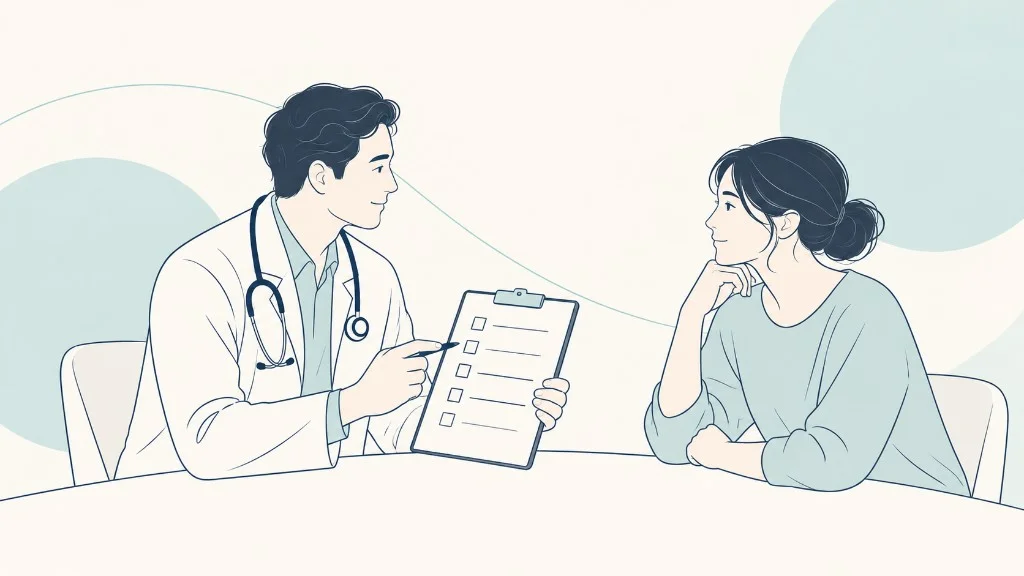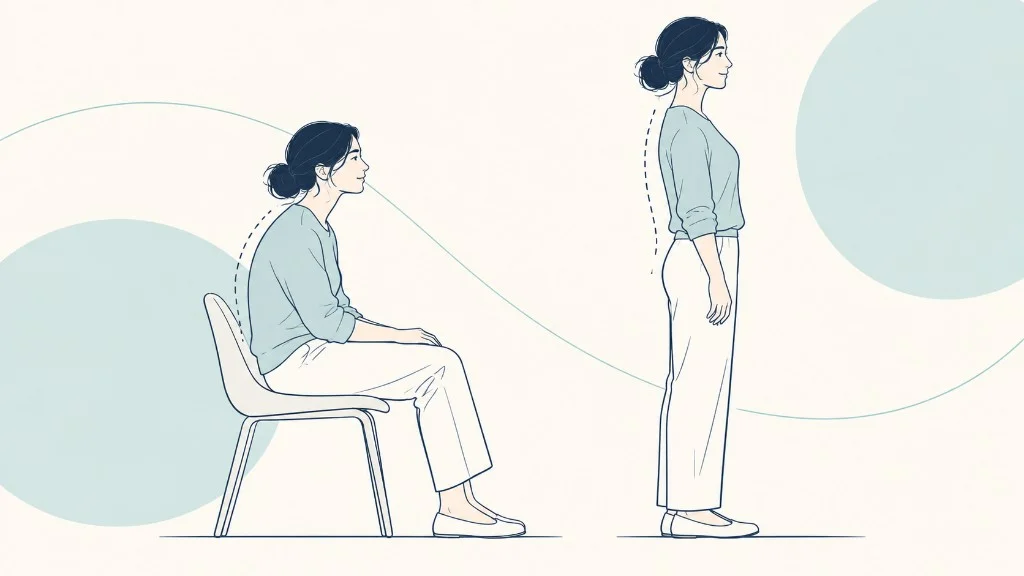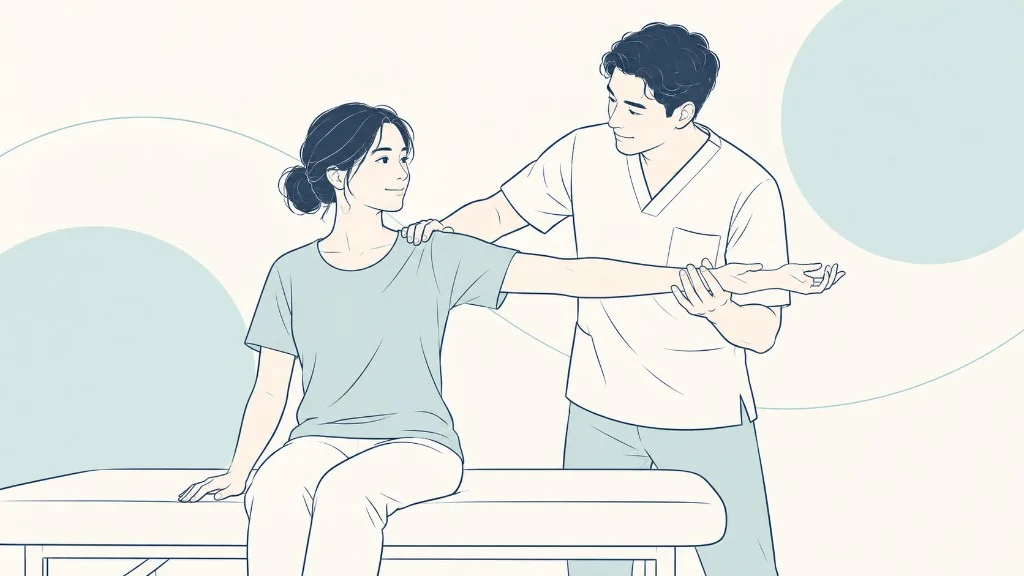
Physical therapy is often the first specific treatment offered for back pain that will not settle. For chronic low back pain, that is a reasonable place to start. It is not a ritual you endure until someone agrees to operate, and it is not a guarantee.
The useful version is exercise that is dosed and progressed, aimed at a daily activity you can measure. The disappointing version is a short run of passive treatments, or a stack of core exercises that never get harder, judged against an MRI that was never going to become normal.
This article is about that difference. The wider menu of non-surgical care, including medicines and injections, is in Non-Surgical Treatments for Lower Back Pain.
What the guidelines actually say therapists should do
The 2021 clinical practice guideline from the Academy of Orthopaedic Physical Therapy is the most direct statement. For chronic low back pain, it says physical therapists should use exercise training. The list is wide: trunk muscle strengthening and endurance, specific trunk-muscle activation, general exercise, aerobic exercise, aquatic exercise, and programs that mix these.
The word “should” is their strongest grade. It is based on pain and function, not on changing the appearance of a disc.
The same document singles out older adults. There was strong evidence for general exercise training, including exercise in water. The reviewers’ caution is the part clinics sometimes skip: within those studies, benefit had more to do with the prescription, meaning enough volume and intensity and a plan to progress, than with one exercise type beating another.
A carefully branded method done twice is not what that evidence describes. A walk that gets longer, plus strengthening you can recover from, is closer.
The American College of Physicians reaches a similar starting point from the medical side. For chronic low back pain, clinicians and patients should initially select non-drug treatment, and exercise is among the options with moderate-quality evidence, alongside multidisciplinary rehabilitation, acupuncture, and mindfulness-based stress reduction. Other movement practices, including yoga, tai chi, and motor control exercise, are listed with lower-quality evidence.
Physical therapy is one delivery system for the exercise piece. It is not the only delivery system, and it works best when it is not the only idea in the plan.
NIAMS defines chronic pain as lasting more than 12 weeks. Before that, most people are still in a window where time and ordinary movement do a lot of the work. Therapy can still help an acute flare, especially to keep someone from stopping all activity. The strongest exercise recommendation is for the pain that has already become chronic.
What improvement looks like, and what it does not
A useful goal is behavioral and physical: more minutes of walking, an easier time getting off the floor, a work task that no longer ends the day, less fear of bending. Pain scores may fall. They may fall only a little while function rises.
Both count. A therapist who never asks what you need to be able to do is collecting exercises, not treating a limitation.
What therapy does not do is erase age-related changes on imaging. A review of scans in people without pain found disc degeneration and bulges in a large portion of asymptomatic adults, increasingly so with age. If success required a normal MRI, most patients over 50 would fail a treatment that was never aimed at that target. Feeling sturdier while the report still says “degenerative disc disease” is a coherent result.
Hands-on treatment, heat, and advice about positions can make the exercise possible. They are supports. A course made only of passive techniques, with no home program that changes, is not the intervention the guideline graded as “should use.”
Process
How a useful therapy plan tends to move
The useful version is exercise that is dosed and progressed, aimed at an activity you can measure. A pain score alone is a weak target, and a normal MRI is not the goal.
- Name the limitWalking time, sitting tolerance, lifting, or sleep. A pain score alone is a weak target.
- Start at a dose you can repeatOften walking plus a few strengthening exercises. Some discomfort can be acceptable. Next-day flares mean the dose was too high.
- Progress itLonger walks, slightly harder strength work, or a task that looks like your actual day. This is the step the older-adult evidence emphasized.
- Judge the activity, not the scanIf the limit has not changed after a real trial, reconsider the diagnosis before repeating the same plan.
Where therapy is likely to disappoint
The dose never changes. Two weeks of the same gentle routine, stopped because it was boring or because nobody added a minute to the walk, is not a failed proof that exercise does not work. It is an unfinished prescription. The older-adult findings tied benefit to volume and progression. Ask, at the second visit, what will be harder next week.
The pain you are treating is not backache. If the thing that stops you is leg heaviness after one block, eased by sitting, a general core program is aimed at the wrong symptom. That pattern is stenosis, explained in What Is Lumbar Spinal Stenosis? Flexion-based activity and walking breaks may still be part of care. They are not a substitute for recognizing the pattern. If the pain is in the groin and you limp, the hip needs an exam. Therapy for the lumbar muscles will not resurface a hip joint.
Fear is doing more than the tissues. Some people move less because they have been told a disc is “slipped” or “crumbling.” The scan words are frightening and often ordinary. A good therapist spends time on that, and on returning to bending and lifting in a graded way. A plan that reinforces the idea that the back is fragile works against the guideline.
Another illness is in the way. Uncontrolled depression, very poor sleep, or a workplace that cannot be modified will blunt an exercise program. Multidisciplinary rehabilitation is in the ACP list for a reason. Therapy that pretends the back is the only variable will look ineffective when it is only incomplete.
The problem needs a different evaluation now. New or worsening weakness, saddle numbness, or a change in bladder or bowel control is not a therapy issue to work through. Those symptoms need prompt medical assessment. Therapy can resume once that question is settled.
How to use a course so you can tell if it helped
Go in with one activity and a number. “I can walk eight minutes before I need to sit.” “I cannot lift the laundry basket.”
Ask the therapist what change in that number would count as a response, and over how many weeks. Write the home program down. Do it on the days without an appointment. Those days are the treatment.
Expect the exercises to change. If week four looks like week one, ask why. If every session leaves you worse for two days, the dose is wrong, or the target symptom is wrong.
Say so early. Polite endurance of a plan that flares you is not adherence.
Bring imaging if you have it, and ask the therapist not to treat the report in isolation. A bulge at a level that does not match your leg symptoms should not become the story of your backache. Age-related findings and what they do not prove are covered in What Causes Chronic Lower Back Pain After Age 50?
| Goal | What a fair trial looks like | What therapy cannot promise |
|---|---|---|
| Walk farther or sit longer | A starting dose, then added time or load over several weeks | A pain-free spine, or the same plan for stenosis and for a hip |
| Trust ordinary movement | Graded bending and lifting, with an explanation of what the scan does not mean | That avoiding all bending will protect a degenerated disc |
| Fewer bad weeks | A program you can restart after a flare, not a new diagnosis every time | That pain will never fluctuate |
| A decision about other care | A record of what was tried and what the target activity did | That finishing therapy obligates you to have surgery, or rules it out |
After a fair trial
If the activity you named is clearly better, keep the program. Chronic pain tends to return when the habit stops. You do not need a lifelong weekly appointment to keep a walk and a short strength routine.
If the activity is not better, take the record to the clinician managing your care. The question is no longer “Did you believe in therapy?” It is “Was this the right target?”
Nerve compression that matches the exam, a hip that reproduces the pain, or back pain that remains nonspecific after real exercise each lead somewhere different. Surgery is one possible destination for some of those paths, after its own evidence is explained, not the penalty for finishing therapy.
Keep a two-line log on the fridge if memory is unreliable: the activity, the number, and whether the next day was worse. That log is also what you show if you change therapists. Starting over from zero every time someone new meets you wastes the only evidence you have, which is your own response to a dose.
One more boundary is worth stating. Manual therapy, dry needling, and tape are common add-ons. Some people like them.
They are not substitutes for the exercise recommendation, and this article does not assign them a rank the guideline did not give. If an add-on helps you complete the walk, it has done a job. If the add-on is the entire visit, you are not in the intervention that carried the strongest wording.
Use the consultation questions if that next visit is with a surgeon. They are there so you can say what failed, and what result you would consider worth the risk. They do not decide that an operation is appropriate.
Group programs and individual care can both satisfy the exercise recommendation. A pool class, a supervised gym hour, or a clinic visit are different rooms for a similar idea: repeated movement, progressed, aimed at a real task. Cost and travel decide more of this than physiology does.
If a three-times-a-week clinic plan is impossible, say so at the first visit and build a smaller home dose you will actually do. An ideal plan that never happens has an effect of zero, which is worse than a modest plan you keep.
Flare-ups are part of chronic pain, not proof the therapist was wrong. The skill to practice is restarting at a lower dose for a few days and returning to the previous level, instead of quitting until the next crisis. Write that restart plan down before you need it.
People who only have a plan for good weeks lose the habit in the first bad one, then describe therapy as something that “didn’t stick.” Often the exercise stuck until life intervened and there was no on-ramp back.
Frequently asked questions
How many physical therapy visits does chronic back pain need?
There is no universal number. A useful course is long enough to teach a program, progress it, and see whether walking, sitting, or work tolerance actually changes. For many people that is a handful of visits spread over several weeks, with most of the work done between appointments. A single visit cannot show an effect. Months of the same exercises, without a harder walk or a heavier task, are not the progression the guidelines describe. If nothing you care about has changed after a fair trial, the next step is to reconsider the diagnosis, not to repeat the same sessions by default.
Should therapy hurt?
Some discomfort during exercise is common and is not, by itself, a sign of damage. Pain that spikes and stays worse into the next day is a reason to lower the amount and rebuild. Therapists often use that next-day response, rather than a rule of zero pain, to set the dose. Sharp pain running down the leg, new weakness, or a change in bladder control is not normal exercise soreness and should be reported promptly. You should be able to describe the plan in plain words: what to do, how much, and what would make you stop.
Is one exercise method better than the others?
Not in a way you can take to the bank. The 2021 physical therapy guideline supports several forms of exercise training for chronic low back pain, including strengthening, endurance, specific trunk-muscle work, aerobic exercise, and exercise in water. For older adults, general exercise had strong evidence, and the benefit tracked with doing enough of it more than with a particular brand. A method you will actually repeat beats a theoretically perfect method you avoid. If a clinic insists only one technique works, ask what outcome they are promising and over what time.
Can physical therapy help if my MRI looks bad?
Often, yes. Disc bulges and joint arthritis are common in people without pain, so a crowded report is not proof that exercise is futile. The goal is a more capable day, not a rewritten scan. Therapy is a weaker fit when the limiting symptom is clearly nerve compression that is worsening, such as progressive leg weakness, or when hip arthritis, not the lumbar muscles, is what stops you. In those cases therapy may still be part of care, but it should not be used to delay the evaluation those patterns need.
What if therapy did not help at all?
First check whether the trial was real: enough weeks, exercises that progressed, and a goal you could measure, such as minutes walked. A short, painful course that you stopped is an incomplete test. If a solid trial did not change the symptom you care about, say so. The next question is whether the pain is nonspecific backache or a more specific problem, such as stenosis or the hip, that a general back program will not fix. Surgery is not the automatic sequel. It is a separate discussion for selected problems, after the non-surgical options that fit that problem have been considered.
Key takeaways
- Exercise training is a 'should use' treatment for chronic low back pain in the 2021 physical therapy guideline, across several exercise styles.
- In older adults, doing enough exercise and progressing it matters more than the brand name of the program.
- Therapy disappoints when the dose never changes, when success is defined as a normal MRI, or when the limiting problem is not the one being exercised.
- A failed fair trial should trigger a fresh look at the diagnosis, not an automatic operation.
References
- George SZ, Fritz JM, Silfies SP, et al. Interventions for the Management of Acute and Chronic Low Back Pain: Revision 2021. Journal of Orthopaedic & Sports Physical Therapy. 2021;51(11):CPG1-CPG60. 2021.
- Qaseem A, Wilt TJ, McLean RM, Forciea MA, for the Clinical Guidelines Committee of the American College of Physicians. Noninvasive Treatments for Acute, Subacute, and Chronic Low Back Pain: A Clinical Practice Guideline From the American College of Physicians. Annals of Internal Medicine. 2017;166(7):514-530. 2017.
- Back Pain. National Institute of Arthritis and Musculoskeletal and Skin Diseases (NIAMS), National Institutes of Health.
- Brinjikji W, Luetmer PH, Comstock B, et al. Systematic literature review of imaging features of spinal degeneration in asymptomatic populations. American Journal of Neuroradiology. 2015;36(4):811-816. 2015.
Prepare questions for your consultation
Organize your symptoms, imaging, and treatment history into clear questions for a spine specialist. The questionnaire does not decide candidacy.