“What actually works” is a fair question and a slippery one. Low back pain is not one disease. A strain that is a week old, nerve pain down one leg, and a decade of aching with a report full of arthritis do not respond to the same plan.
No treatment works for every person, and several popular ones have only modest evidence. The honest summary comes from guidelines, not from a clinic’s menu.
This article covers non-surgical care for the common situation: pain felt mainly in the back, without a progressive nerve injury. It draws on the American College of Physicians guideline and on a 2021 physical therapy guideline. It is not a protocol you can follow instead of care. If leg numbness, weakness, or bladder changes are part of the story, read Lower Back Pain and Leg Numbness and get examined.
Match the treatment to how long the pain has lasted
NIAMS divides back pain by time. Acute pain lasts days to a few weeks. Subacute pain lasts about 4 to 12 weeks.
Chronic pain lasts longer than 12 weeks and is present on most days. The split matters because the expected course is different.
For acute and subacute pain, the ACP guideline starts from a plain fact: most people improve over time regardless of treatment. The strong recommendation is to choose non-drug options such as superficial heat, and, with lower-quality evidence, massage, acupuncture, or spinal manipulation. If a medicine is wanted, nonsteroidal anti-inflammatory drugs or a short course of a muscle relaxant are the options the guideline supports, with moderate-quality evidence.
Staying in bed is not the plan. Ordinary movement, within what you can tolerate, is.
Chronic pain is where people get stuck, and where the evidence for exercise is strongest. The same ACP guideline recommends starting with non-drug treatment: exercise, multidisciplinary rehabilitation, acupuncture, and mindfulness-based stress reduction, supported by moderate-quality evidence. Tai chi, yoga, motor control exercise, progressive relaxation, and spinal manipulation are listed with lower-quality evidence.
“Lower quality” does not mean “never.” It means the studies are less certain, so these are preferences to discuss, not guarantees.
NIAMS makes a parallel point on its diagnosis and treatment page: most people do not need extensive testing at the start, and surgery is considered only after other treatments have been tried, and not for everyone even then.
Exercise is the treatment with the clearest role
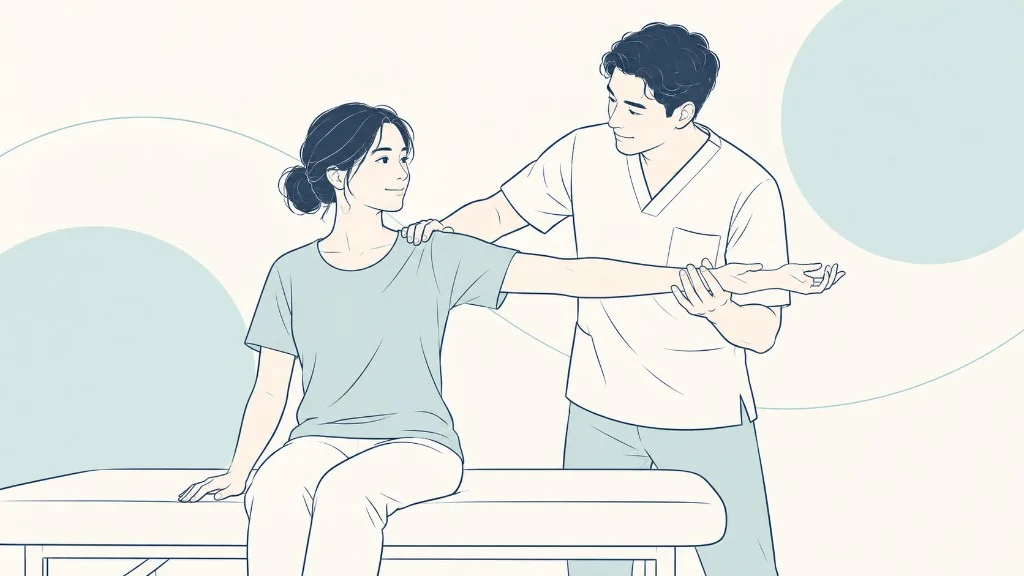
The 2021 guideline from the Academy of Orthopaedic Physical Therapy tells physical therapists they should use exercise training for chronic low back pain. The recommended range is deliberately broad: trunk strengthening and endurance, general exercise, aerobic exercise, aquatic exercise, and programs that combine those pieces. For older adults, the evidence the panel judged strongest was for general exercise, and the benefit seemed to depend more on doing enough of it, and progressing it, than on a trademarked style.
That finding is easy to misuse. It does not mean a single YouTube routine will fix a decade of pain. It means there is not one correct exercise brand, and there is good reason to get moving in a way you can repeat. How therapists structure that, and where therapy disappoints, is the subject of How Physical Therapy Helps (and Doesn’t Help) Chronic Low Back Pain.
A practical version for many people is a daily walk plus two or three weekly sessions of strengthening that does not flare symptoms for days afterward. Pain during the work is not always a reason to stop. Pain that is clearly worse the next day is a reason to reduce the dose and build more slowly. The dose is the part people skip, and it is the part the older-adult evidence highlighted.
Comparison
Non-surgical options, sorted by how firmly guidelines support them
For chronic pain, exercise has the clearer guideline support. Other options can still be reasonable. Support is a reason to try something, not a promise of being pain-free.
Start here for chronic pain
Exercise, including general fitness and strengthening. Multidisciplinary rehab when pain, mood, and work are all involved. These have the clearer guideline support.
Reasonable to discuss
Acupuncture, mindfulness-based stress reduction, tai chi, yoga, and spinal manipulation. Evidence quality varies. Preference and access matter.
Not a plan by themselves
A single passive treatment with no change in activity. Bed rest. Treating a common MRI finding because it looks abnormal.
Support from a guideline is not a promise that you will be pain-free. It is a reason to try that option before a riskier one.
Medicines, injections, and passive treatments
If non-drug care is not enough for chronic pain, the ACP guideline suggests nonsteroidal anti-inflammatory drugs as the first medicine to consider, then tramadol or duloxetine. Opioids come last, and only after a discussion of harm. None of these repairs a disc.
They may make it possible to sleep or to do the exercise that is the actual long-term tool. Which drug is safe depends on your stomach, kidneys, other medicines, and history of substance use. Ask the clinician who knows that list. Do not borrow a relative’s prescription, and do not stop a medicine you were told to continue.
Muscle relaxants have a role mainly in short-lived spasms, not as a standing treatment for chronic pain. Acetaminophen is not among the medicines the ACP guideline recommends. For acute and subacute pain, its evidence review found low-quality evidence of no difference between acetaminophen and placebo for pain or function through about four weeks.
For chronic low back pain, the same review said the evidence was insufficient to determine acetaminophen’s effect. That is not a safety verdict. It means acetaminophen should not be described as a proven treatment for low back pain.
Epidural steroid injections are aimed at nerve inflammation, usually leg pain more than isolated backache. They can create a window for activity. They wear off in many people.
They are a poor match for pain that has no nerve target. Facet injections and other blocks are sometimes used as tests or as short-term treatment. A response, or a lack of one, is information. It is not an automatic ticket to surgery.
Massage, heat, and manipulation can make a bad week more tolerable. The evidence is stronger as an add-on or as an early option for newer pain than as a cure for chronic pain. A plan that is only something done to you, with no change in how you move the rest of the week, fights the exercise evidence.
Traction, most braces for ordinary pain, and long lists of supplements do not have a comparable guideline recommendation. A brace can remind you to move carefully after an acute sprain. Wearing one all day for months can also let trunk muscles idle. If someone recommends a device or a course of treatments, ask what symptom should change, by when, and what you will do if it does not.
Why the MRI should not pick the treatment
A review of imaging in people without back pain found disc degeneration and disc bulges in a large share of pain-free adults, more so with age. If treatment chased every bulge, most older adults would be surgical candidates. They are not. Non-surgical care is the default because the painful episode and the radiographic finding are not the same thing.
Imaging earns its place when the history suggests a compressed nerve, when symptoms are not following the usual course, when a serious cause is possible, or when a procedure is actually on the table. Improving with exercise while an old bulge remains on a scan is a success of the right kind. Comparing two scans to see if a bulge “looks better” is usually the wrong scoreboard.
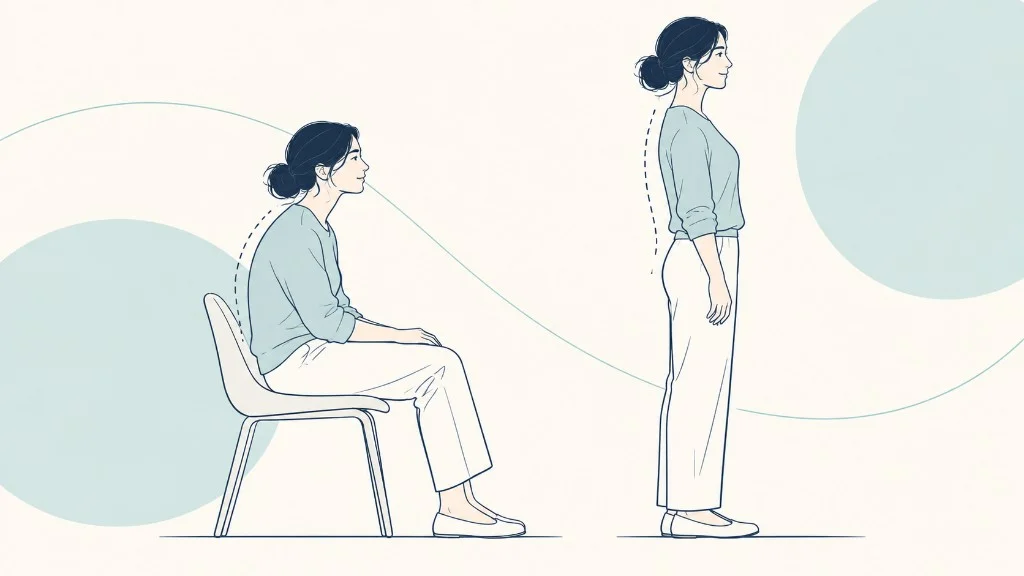
People over 50 often have more than one finding. How those findings relate to lasting pain is discussed in What Causes Chronic Lower Back Pain After Age 50? Position, especially pain that changes with standing versus sitting, can point the non-surgical plan toward stenosis or toward a hip problem instead of a generic core routine. That distinction is in Lower Back Pain When Standing vs. Sitting.
| Option | What it is trying to change | A limit to keep in mind |
|---|---|---|
| Exercise and gradual activity | Pain, confidence with movement, and what you can do in a day | The type matters less than doing enough, often enough, and progressing |
| Hands-on care, heat, acupuncture | Short-term comfort, sometimes enough to keep moving | Evidence is mixed, and passive care alone fights the exercise data |
| Anti-inflammatory or other medicines | Pain enough to function, for some people | Safety depends on your health. They do not remodel the spine |
| Epidural steroid injection | Nerve-related leg pain, often for a limited time | A temporary response is not a decision for or against surgery |
When non-surgical care has had a fair test
A fair test is specific. For ordinary chronic backache, that usually means several weeks of real exercise, not one painful session, plus attention to sleep and to the activities that keep setting you back. For nerve-related leg pain, it means therapy and time aimed at that leg symptom, not only at the backache.
It is reasonable to ask about surgery when that trial has failed and the symptom matches a problem an operation can change, such as stenosis that limits walking, or a root compression with pain or weakness that fits the imaging. It is also reasonable to ask earlier, as a planning question, without committing. Chronic back pain with only common degenerative changes is the situation in which fusion has the least straightforward role.
The studies are easy to over-read, and they enrolled selected patients. Use a surgical visit to ask what, exactly, would be treated and what result is realistic.
Heat, a short walk after sitting, and a regular sleep schedule are dull and surprisingly practical. They will not appear in a headline about breakthrough care. They are the background that lets the exercise dose happen.
People who only chase the next passive treatment often never give that background a month. A month is not a magic number. It is long enough that a change in walking or work tolerance is visible, and short enough that you are not lost in an open-ended plan.
If you are comparing clinics, ask each one what you will do on the days you do not come in, and what finding would make them send you back to a physician instead of adding sessions. A good answer names red-flag symptoms and a stalled activity goal. A weak answer is an open package of visits with no endpoint.
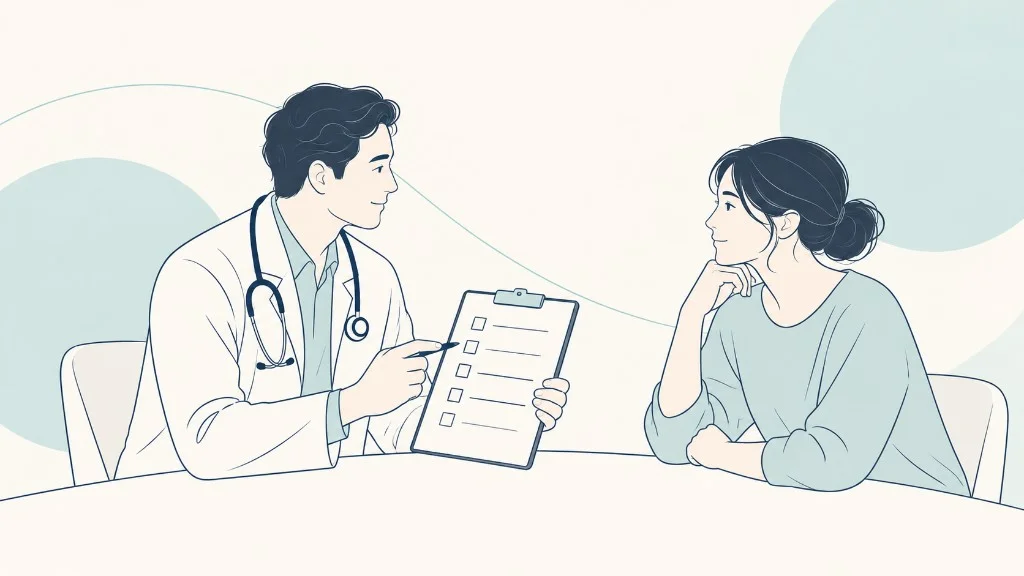
Write down what you tried, for how many weeks, and what changed. That note is more persuasive than a general statement that nothing works. The questions to prepare before a consultation are a checklist for that conversation. They do not label you as a candidate for an operation or a device.
One last distinction keeps the phrase “what works” honest. A treatment can reduce pain a little, help you move, and still leave you short of the life you had before the pain. Guidelines call that a benefit when the studies measured it.
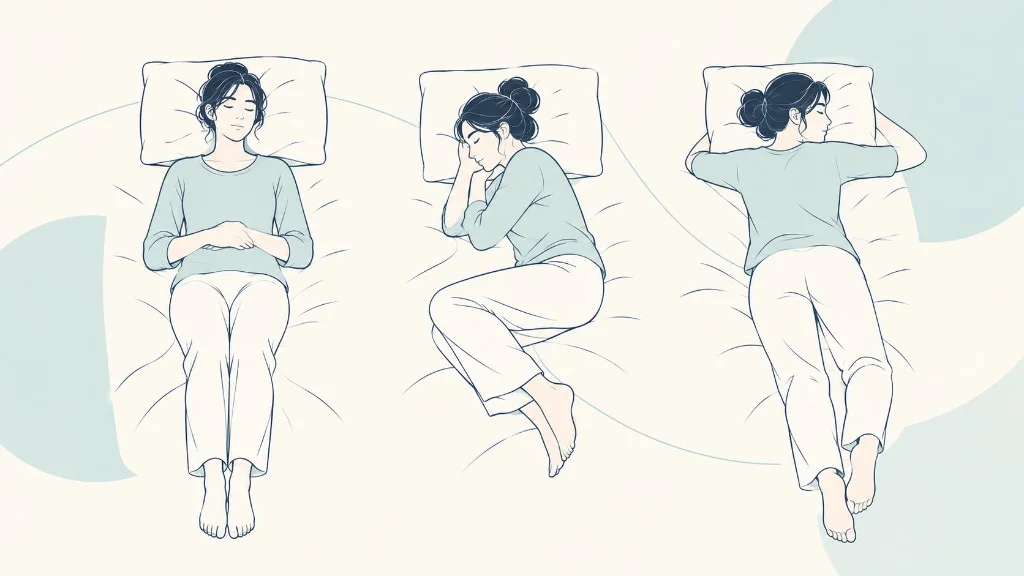
Marketing often implies a reset. If a promised reset is the only outcome you would accept, you will call ordinary, evidence-based care a failure. Decide with your clinician which change would be enough to continue, and which would be enough to look at a different diagnosis. Night position is a separate comfort question, covered in Best Sleeping Positions for Lower Back Pain and Nerve Compression.
Frequently asked questions
Do I have to try physical therapy before any other treatment?
Not as a legal rule, but major guidelines put non-drug care, including exercise, ahead of surgery and ahead of most medicines for ordinary low back pain. A supervised program is one way to do that. Some people start with a walking plan and general exercise on their own and see a therapist if they stall or if form and progression are the problem. What matters is a real trial of activity, long enough to judge, not a stack of unused referrals. If leg weakness is worsening or bladder control changes, that trial should not delay urgent care.
Which pain medicines are reasonable?
The American College of Physicians suggests nonsteroidal anti-inflammatory drugs first if a medicine is needed for chronic low back pain, and tramadol or duloxetine if those are not enough. Opioids are reserved for cases where other options have failed and the risks are acceptable to that person. This is a population guideline, not a prescription. Kidney disease, stomach ulcers, blood thinners, and other drugs change what is safe. Do not add an anti-inflammatory on your own if a clinician has told you to avoid one, and do not stop a prescribed medicine because an article listed a different option.
Do spinal injections fix the cause?
An epidural steroid injection can reduce inflammation around a nerve for a period of time. Some people get enough relief to keep walking and do therapy. The effect is often temporary, and a good response does not prove you will need surgery later. A poor response does not prove surgery is the only remaining step. Injections are considered when nerve-related leg pain is limiting and a clinician judges that the likely level matches the symptoms. They are not a required stop on the way to every operation, and they are not a treatment for ordinary age-related changes that are not pressing on a nerve.
If I feel better, do I still need the MRI?
Usually not, if the pain is improving, there is no weakness, and there are no symptoms that suggest a serious cause. Imaging is more useful when a procedure is being considered or when the story does not fit ordinary back pain. Feeling better while a disc bulge is still visible on an old scan is expected. The goal of non-surgical care is a more comfortable, more active day, not a cleaner radiology report.
When is it reasonable to ask about surgery?
Ask when a specific problem, such as stenosis with limiting leg symptoms or a nerve-root pain that matches the exam, has not improved with a fair trial of other care, or when strength is worsening. Chronic backache alone, with common degenerative findings and no nerve deficit, is a weak reason to jump to fusion. A surgical opinion can also be useful earlier if you want to know whether an operation is even plausible, as long as you treat the visit as information. Bring what you have already tried and for how long.
Key takeaways
- Most new low back pain improves over several weeks, and chronic pain is first treated with exercise and other non-drug options, not an operation.
- Guidelines support exercise most clearly. Several other approaches have weaker evidence and can still be reasonable preferences.
- Medicines are chosen for the individual. An article cannot tell you which drug is safe.
- Surgery is for selected, matched problems that limit life despite other care, not for ordinary scan findings.
References
- Qaseem A, Wilt TJ, McLean RM, Forciea MA, for the Clinical Guidelines Committee of the American College of Physicians. Noninvasive Treatments for Acute, Subacute, and Chronic Low Back Pain: A Clinical Practice Guideline From the American College of Physicians. Annals of Internal Medicine. 2017;166(7):514-530. 2017.
- George SZ, Fritz JM, Silfies SP, et al. Interventions for the Management of Acute and Chronic Low Back Pain: Revision 2021. Journal of Orthopaedic & Sports Physical Therapy. 2021;51(11):CPG1-CPG60. 2021.
- Back Pain. National Institute of Arthritis and Musculoskeletal and Skin Diseases (NIAMS), National Institutes of Health.
- Back Pain: Diagnosis, Treatment, and Steps to Take. National Institute of Arthritis and Musculoskeletal and Skin Diseases (NIAMS), National Institutes of Health.
- Brinjikji W, Luetmer PH, Comstock B, et al. Systematic literature review of imaging features of spinal degeneration in asymptomatic populations. American Journal of Neuroradiology. 2015;36(4):811-816. 2015.
Prepare questions for your consultation
Organize your symptoms, imaging, and treatment history into clear questions for a spine specialist. The questionnaire does not decide candidacy.